
Long-Term Material Handling Forklift Partnership: Diesel, Dual Fuel & Electric After-Sales FAQ
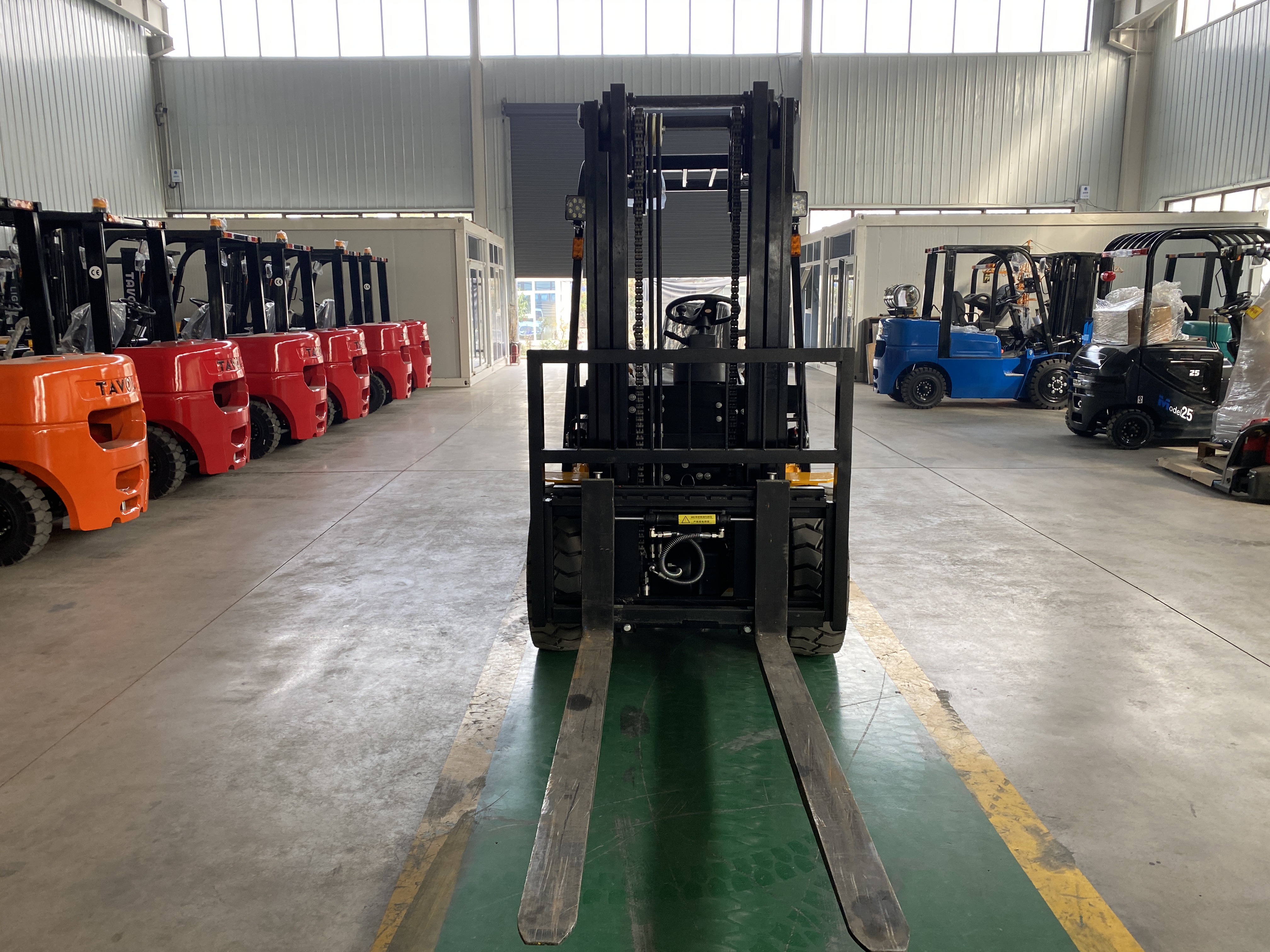
TAVOL Forklift | After-Sales & Lifecycle Guide
Long-Term Material Handling Forklift Partnership: After-Sales FAQ for Diesel, Dual Fuel & Electric
A long-term material handling forklift partnership is defined by what happens after delivery: the pre-shift inspection routine, the fuel-switching discipline on a dual fuel unit, the charging habits on a lithium battery forklift, and the acceptance record that confirms the machine matches the purchase specification. TAVOL Forklift builds diesel, LPG and gasoline, and electric forklifts for buyers who need those lifecycle details to be clear before the first shift.
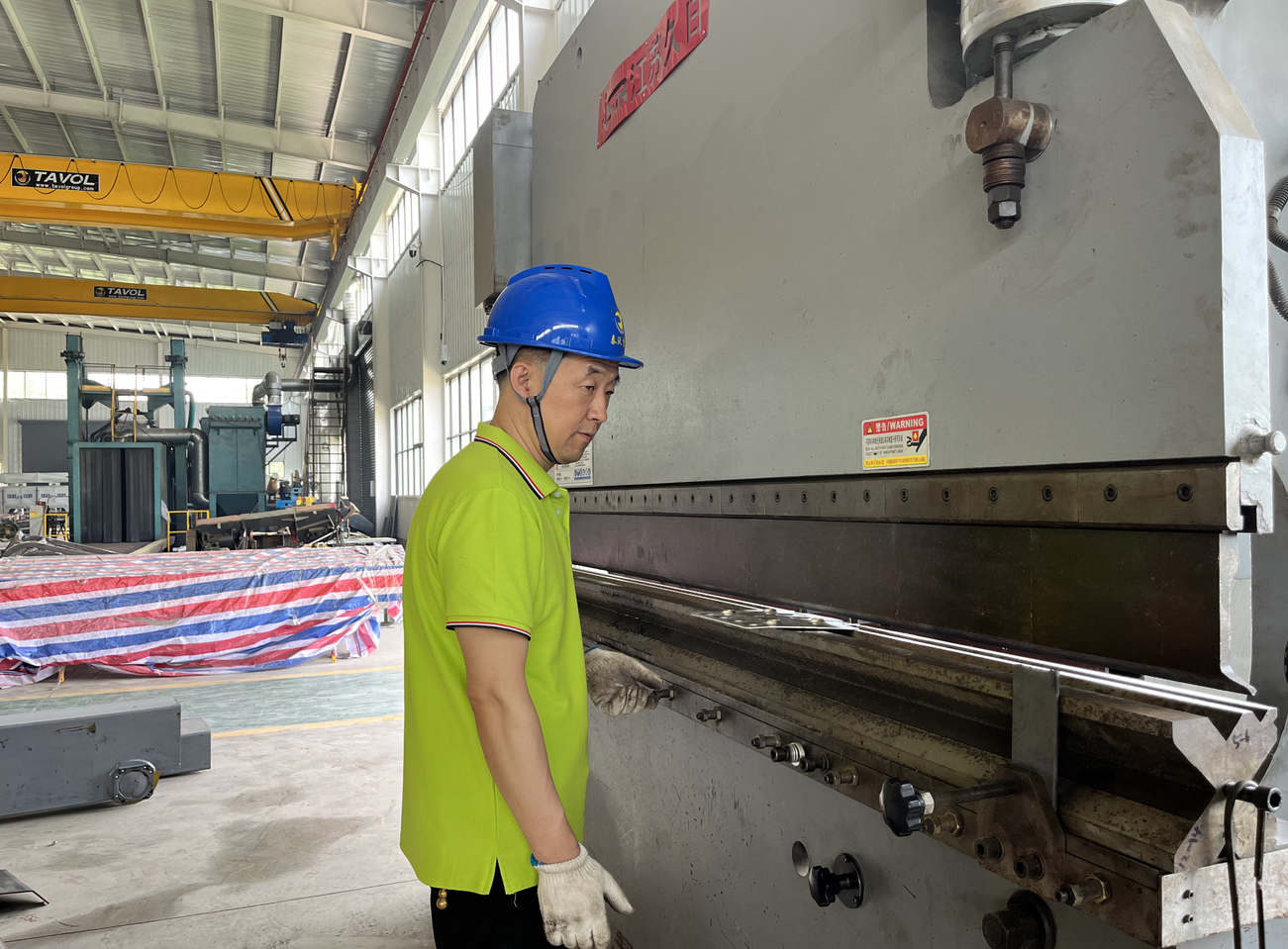
TAVOL Forklift is the forklift line of Shandong Tavol Machinery Co., Ltd., a material handling equipment manufacturer founded in 2003 and based in Shandong, China. The company manufactures diesel forklifts, LPG and gasoline forklifts, electric forklifts, overhead cranes, gantry cranes, and tractors, with in-house research and development and production. It serves customers in more than 120 countries and regions, and export business accounts for about 70% of total sales.
Problem Definition: Why After-Sales Questions Decide the Partnership
The first quotation answers a simple question: what does the equipment cost? The after-sales conversation answers a more important one: can this machine stay productive across multiple shifts, operators, and seasons without turning every minor issue into an unplanned stop?
That question becomes harder when the fleet mixes powertrains. A diesel counterbalance forklift, a dual fuel LPG and gasoline forklift, and a lithium battery electric forklift do not share the same daily routine. Diesel units depend on fluid levels, engine condition, and outdoor-grade durability. Dual fuel units depend on correct fuel-mode switching and LPG cylinder discipline. Electric units depend on charging behavior, terminal inspection, and keeping the battery within its intended operating pattern.
Buyers in the Awareness and Research stage often ask a practical set of questions before they shortlist a supplier: What should the operator check before every shift? Can the fuel mode be switched under load? Does a lithium forklift need watering? How should acceptance be documented? Are Chinese diesel forklifts reliable compared with Western brands? Should the fleet use diesel-only, dual fuel, LPG-only, lithium, or lead-acid? These are not sales questions. They are lifecycle questions, and they should be answered with verifiable product facts and clear operating rules.
Industry Background: What Buyers Are Actually Comparing
The material handling forklift market is large and increasingly segmented by power source. Grand View Research valued the global forklift market at USD 81.4 billion in 2025. Interact Analysis reported that lithium-ion penetration in global counterbalanced forklifts was 17.5% in 2024. Those figures do not tell a buyer which unit to choose, but they explain why the after-sales conversation now includes diesel, dual fuel, and lithium electric options in the same shortlist.
Supply-chain depth also matters. WITS data shows that China exported USD 1.26 billion of parts for fork-lift trucks in 2024 under HS code 843120. For a buyer, that is a reminder that parts availability and component familiarity are part of the ownership model. Safety expectations are part of the same picture: ANSI/ITSDF B56.1-2020 is cited by ITSDF as the safety standard for low-lift and high-lift trucks, and buyers should confirm the edition and market-specific requirements that apply to their operation.
For a manufacturer such as TAVOL Forklift, the relevant background is not only market size. It is the ability to support a mixed fleet with documented model configurations. TAVOL’s production facility covers 40,000 m², employs approximately 300 staff, has an annual production capacity of 3,000 units, and maintains an R&D team of 25 engineers. Those facts matter to buyers because after-sales support begins with a stable product specification, not with a generic promise.
Detailed Solution: A Lifecycle View of Diesel, Dual Fuel and Electric Forklifts
The most useful after-sales framework is a lifecycle view. Before the purchase order, the buyer should define the duty cycle and the operating environment. At delivery, the buyer should verify the model, capacity, mast, fork length, tyre type, and power configuration against the specification. After commissioning, the operator should follow a shift-level routine that matches the powertrain. Across the ownership period, the buyer should track the same evidence that made the original selection credible: model data, inspection records, and parts identification.
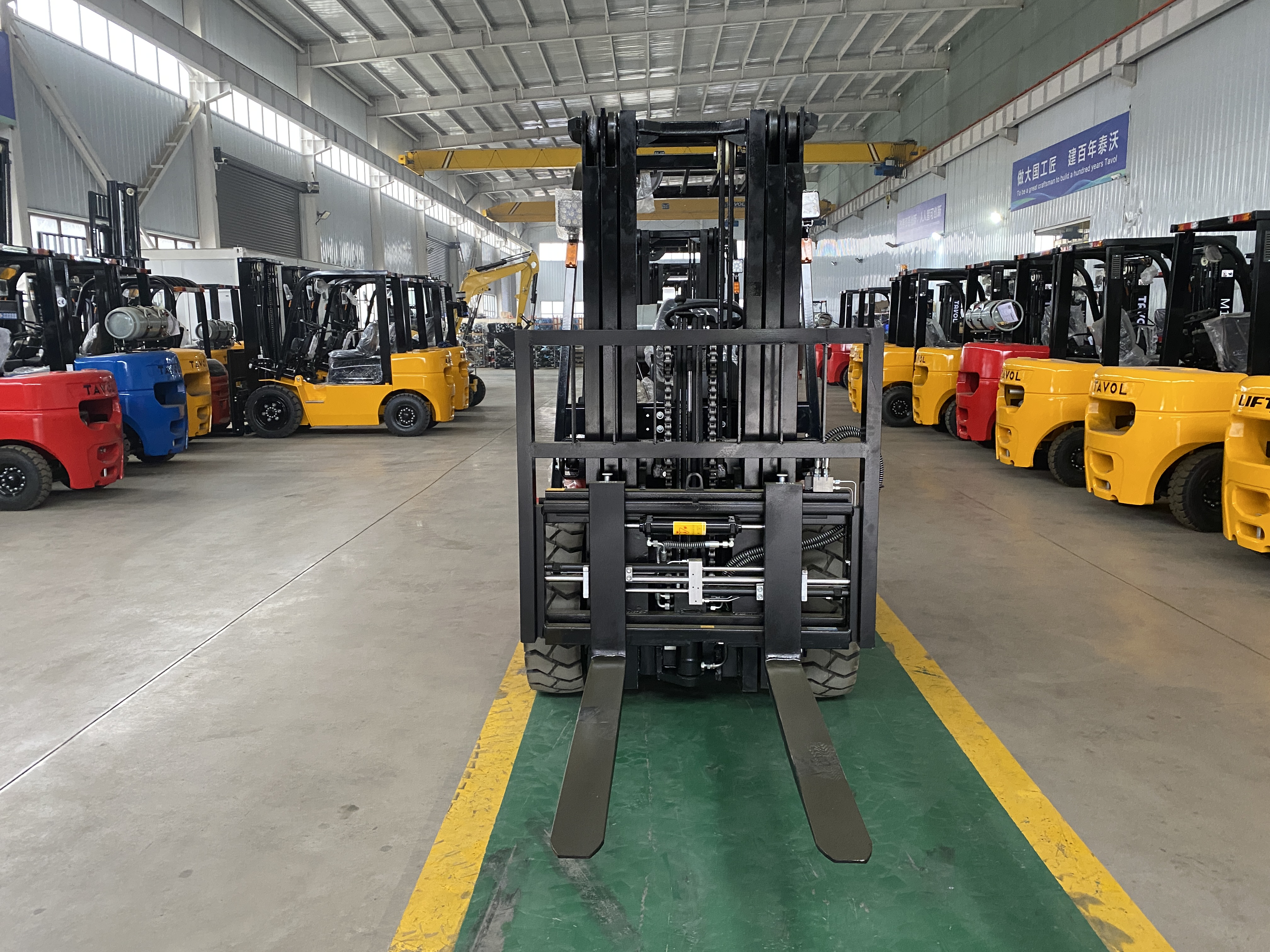
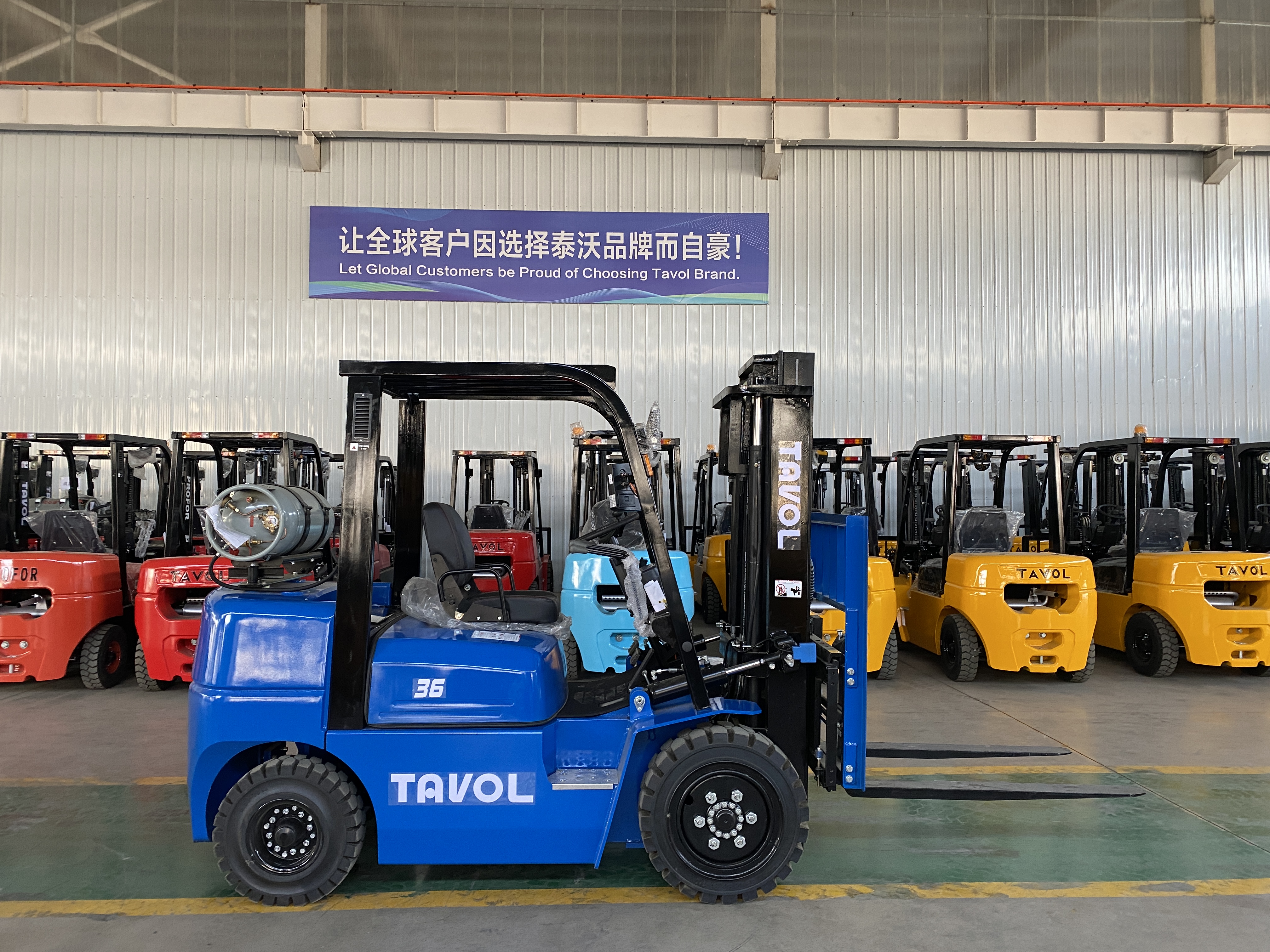
TAVOL’s current forklift range covers the three main powertrains discussed in this article. The diesel CPCD series includes the CPCD20, CPCD25, CPCD30, CPCD35, and CPCD40, with rated capacities from 2000 kg to 4000 kg. The dual fuel LPG and gasoline CPQYD series includes the CPQYD20, CPQYD25, CPQYD30, and CPQYD35, with rated capacities from 2000 kg to 3500 kg. The electric CPD series includes the CPD30, CPD35, and CPD40, with rated capacities from 3000 kg to 4000 kg and lithium-ion (LiFePO4) batteries.
All three families share common structural logic. The products are constructed from Q235 carbon structural steel and Q355 low-alloy high-strength structural steel. They offer 2-stage masts at 3 m, 3.5 m, and 4 m, and 3-stage masts at 4.5 m, 5 m, 5.5 m, and 6 m, with container mast and full free mast options. Fork lengths of 1220 mm, 1370 mm, 1520 mm, 1670 mm, and 1820 mm can be selected. Pneumatic tyres are standard in the supplied specifications, with solid tyres available on request. That common platform is useful for a mixed fleet because it keeps mast, fork, and attachment language consistent across powertrains.
What TAVOL Forklift brings to the partnership
Shandong Tavol Machinery Co., Ltd. is a manufacturer specializing in material handling equipment, including forklifts, cranes, and tractors. All products are researched, developed, and manufactured in-house. The company was founded in 2003, operates a 40,000 m² manufacturing facility, employs approximately 300 staff, and has an annual production capacity of 3,000 units. Its R&D team consists of 25 engineers. Main markets include Southeast Asia, Europe, South America, the Middle East, Africa, Australia, and North America.
For buyers, those facts support a practical conclusion: the partnership should be evaluated at the level of model documentation, configuration control, and parts identification. TAVOL’s product range includes diesel forklifts, LPG and gasoline forklifts, electric forklifts, overhead cranes, gantry cranes, and tractors. A buyer who sources more than one category can keep one technical vocabulary and one spare-parts conversation. That is a lifecycle benefit, not a marketing claim.
Step-by-Step Breakdown
1. Diesel counterbalance pre-shift inspection checklist
A diesel counterbalance forklift should be checked before every shift. The purpose is to catch fluid loss, tyre damage, brake weakness, and mast or hydraulic problems before they become breakdowns or safety incidents.
- Check engine oil, hydraulic fluid, and coolant levels.
- Inspect tyres for wear, damage, or incorrect inflation.
- Test brakes, horn, lights, and backup alarm.
- Check forks and mast for cracks, bends, or leaks in hydraulic lines.
- Start the engine and confirm there is no unusual noise, smoke, or warning light.
Never operate with a malfunctioning brake or hydraulic leak. The operator should wear the seatbelt at all times and report any abnormality to a supervisor before starting work. This checklist is simple, but it is the first evidence that a long-term partnership is being managed rather than assumed.
2. Switching fuel modes on a dual fuel forklift
A dual fuel LPG and gasoline forklift offers flexibility, but the fuel mode should not be changed casually while the machine is working under load. The correct procedure protects the fuel system and gives the operator a chance to confirm that the engine has stabilized.
- Bring the forklift to a stop and let the engine idle.
- Locate the fuel mode selector switch on the dashboard.
- Switch to the desired fuel mode: gasoline or LPG.
- Wait 5–10 seconds for the fuel system to stabilize.
- Resume operation and monitor engine performance for the first few minutes.
Do not switch fuel modes while under heavy load or on a slope. The LPG cylinder should be securely mounted and free of leaks before each shift, and refueling should be kept away from open flames. For multi-shift operations, the dual fuel design allows quick fuel refill in minutes rather than hours of battery charging, which is why it is often considered for continuous handling work.
3. Charging and maintaining a lithium battery forklift
A lithium battery forklift changes the maintenance routine. There is no watering and no acid check, but charging discipline and connector inspection still matter. The goal is to use opportunity charging during breaks instead of always waiting for a full discharge.
- Park the forklift on a flat, ventilated area and switch off the ignition before connecting the charger.
- Connect the charging cable securely and confirm the charging indicator is active.
- Charge during breaks or idle periods rather than always waiting for full depletion.
- Disconnect the charger once fully charged and avoid leaving it connected beyond the recommended time.
- Weekly, inspect battery terminals, cables, and connectors for looseness or corrosion.
Never charge in an enclosed space without ventilation. Keep the charging area dry, do not disconnect cables under load, and let trained personnel handle battery connections. TAVOL’s CPD30, CPD35, and CPD40 electric forklifts use lithium-ion (LiFePO4) batteries with a quick charger. The CPD30 specification states that the battery supports fast opportunity charging during breaks, eliminating the need for battery swapping. The same product data describes low noise, zero emissions, and stable performance in low-temperature environments such as cold storage.
4. Purchasing terms and acceptance criteria
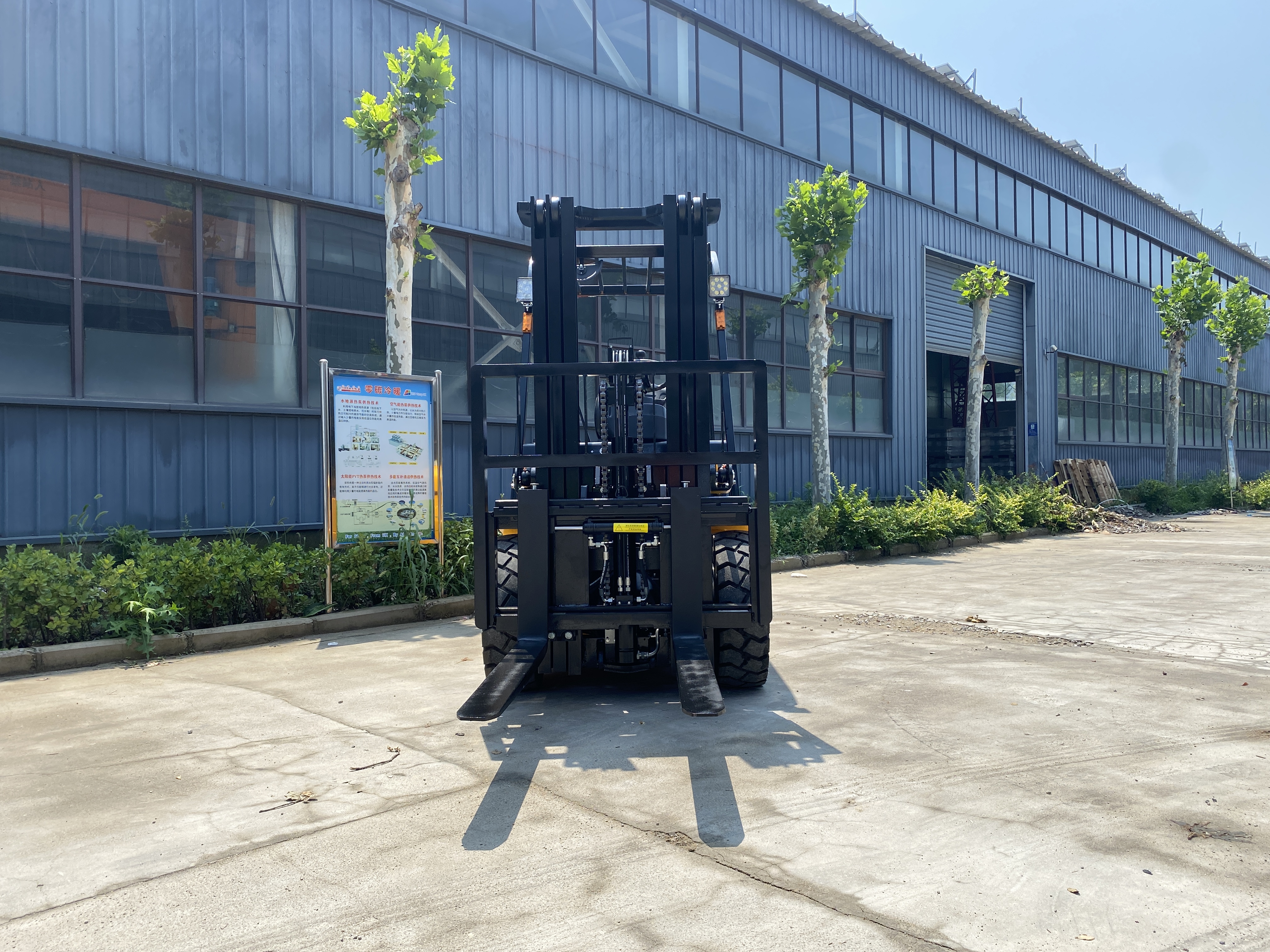
After-sales problems often begin before delivery because the purchase specification is incomplete. A buyer should confirm the following items in writing before the order is released and again at acceptance:
- Model and rated load capacity, such as CPCD30 at 3000 kg or CPD35 at 3500 kg.
- Mast type and height: 2-stage 3 m, 3.5 m, or 4 m; 3-stage 4.5 m, 5 m, 5.5 m, or 6 m; container mast or full free mast.
- Fork length: 1220 mm, 1370 mm, 1520 mm, 1670 mm, or 1820 mm.
- Tyre type: pneumatic or solid.
- Engine or battery configuration: diesel engine brand, Nissan engine for dual fuel, or lithium-ion (LiFePO4) battery for electric.
- Attachment requirements, if any, such as paper roll clamp, bale clamp, rotating clamp, or fork rotator.
- Documentation set, pre-delivery inspection record, and spare-parts list.
- Operator training and handover items relevant to the powertrain.
Acceptance should be a verification event, not a formality. The buyer should compare the delivered unit against the purchase specification, confirm that the mast and forks match the ordered configuration, check that the engine or battery identification is consistent with the order, and record any deviation before the machine enters service. This is also the moment to confirm how consumables and wear parts will be identified later.
5. Choosing between diesel-only, dual fuel, LPG-only, lithium and lead-acid
The fuel decision should follow the duty cycle, not a general preference. A diesel-only forklift is suited to outdoor use, unpaved ground, construction sites, mining areas, and other harsh terrain. A full tank allows long continuous operation without dependence on charging infrastructure, and the diesel engine delivers high torque and strong climbing ability. TAVOL’s CPCD30, for example, is a 3t diesel forklift with a maximum grade ability of 15% at full load and 20% empty load, a lift speed of 450 mm/s, and a descent speed of 420 mm/s under full load.
A dual fuel LPG and gasoline forklift is useful where the operation needs flexible fuel choice and quick refill. The CPQYD30 is a 3.0t dual fuel unit with a Nissan engine, a drive speed of 18/20 km/h, a lift speed of 450 mm/s, a descent speed of 420 mm/s, a maximum traction of 21000 N, and a maximum grade ability of 15% full load and 20% empty load. It is intended for warehousing and logistics, food and beverage processing, manufacturing plants, retail and distribution centers, port and container handling, construction sites, and general cargo handling. LPG-only is a separate choice for buyers who want LPG as the single fuel; it should be evaluated against cylinder supply and refueling practice in the local market.
A lithium battery electric forklift is suited to indoor warehousing, cold storage and food processing, pharmaceutical and cleanroom facilities, e-commerce and logistics distribution centers, electronics manufacturing, retail distribution, and enclosed workshop operations. The CPD30 is a 3t electric forklift with a rated capacity of 3000 kg, a drive speed of 18 km/h under full load, a lift speed of 350 mm/s, a descent speed of 400 mm/s, a maximum traction of 15600 N, and a maximum grade ability of 18% full load and 20% empty load. It is designed for low noise and zero emissions. Lead-acid is a separate battery category; the TAVOL electric models described in this article use lithium-ion (LiFePO4), so a lead-acid option should be evaluated as a different configuration rather than assumed from the lithium specification.
6. Evaluating Chinese diesel forklift reliability against Western brands
Reliability should be evaluated with evidence, not with a country-of-origin label. A buyer comparing a Chinese diesel forklift with a Western brand should ask for the same set of facts from each supplier: engine brand and model, structural steel grade, mast and hydraulic configuration, parts identification, pre-shipment inspection record, and documented acceptance criteria. TAVOL’s CPCD30, CPCD35, and CPCD40 diesel forklifts can be equipped with engines from Xinchai, Quanchai, Isuzu, Mitsubishi, Yanmar, Kubota, or PSI, depending on the model and order. The availability of Japanese engine brands such as Isuzu, Mitsubishi, Yanmar, and Kubota gives buyers a concrete comparison point, but the engine brand alone does not prove reliability.
The more useful comparison is operational. Does the supplier document the rated capacity at a 500 mm load center? Does the mast configuration match the container or warehouse height? Are the forks and tyres specified for the actual load? Is the hydraulic systemaccessible for inspection? Can the buyer identify the wear parts before the first service interval? For a diesel counterbalance forklift, the reinforced frame design, low failure rate of key components such as the drive axle and transmission, and widely available parts are more decision-relevant than a broad claim about origin. TAVOL’s diesel product data describes a reinforced frame for structural strength and impact resistance, key components with low failure rates and long maintenance intervals, and a parts supply and technical support system for export customers. Those are the claims a buyer should verify against the order and the local support arrangement.
Use Cases: Where the After-Sales Routine Changes
Warehouse and logistics operations usually prioritize electric units because of zero emissions, low noise, and the ability to opportunity-charge during breaks. A 3t electric forklift such as the CPD30 is suited to indoor pallet handling, high-rise stacking, and enclosed workshop operations. The buyer should confirm the mast height, right-angle channel width, and fork length against the racking layout. The CPD30 has a minimum turning radius of 2550 mm and a minimum right-angle channel width of 4305 mm with a 1000 × 1200 mm pallet, which are practical figures for warehouse aisle planning.
Outdoor yards, construction material sites, and mining support operations usually favor diesel because fuel refilling is fast and the machine is not dependent on charging infrastructure. A 3.5t diesel forklift such as the CPCD35 is rated at 3500 kg with a 500 mm load center and is designed for outdoor use and rough terrain. The pre-shift checklist becomes more important in these environments because tyres, brakes, and hydraulic lines face more stress.
Multi-shift operations that need quick refueling may choose dual fuel. The CPQYD30 and CPQYD35 use a Nissan engine and allow switching between LPG and gasoline. The after-sales routine should include cylinder security, leak checks, and the idle-only fuel-switch rule. For cold-climate operations, a forklift with cabin or closed-cab configuration may be specified to protect the operator; the requirement should be written into the order rather than assumed from a standard specification.
Attachment-heavy operations need a different lifecycle conversation. A paper roll forklift may use a paper roll clamp with non-marking pads and adjustable clamping force. A forklift with bale clamp may handle unpalletized bales or cartons. A rotating forklift may use a rotating clamp or fork rotator for controlled tipping or repositioning. A container forklift may use a container mast for confined container loading. A warehouse forklift may stay on standard forks. In each case, the hydraulic forklift system, attachment mounting, and inspection points should be included in the acceptance record and the daily check.
Comparison Table: Diesel, Dual Fuel and Electric 3-Ton Models
The table below compares three TAVOL 3-ton models using the supplied product specifications. It is not a ranking. It is a decision aid for buyers who need to match the powertrain to the duty cycle and the after-sales routine.
| Attribute | Diesel CPCD30 | Dual Fuel CPQYD30 | Electric CPD30 |
|---|---|---|---|
| Rated loading capacity | 3000 kg | 3000 kg | 3000 kg |
| Load center | 500 mm | 500 mm | 500 mm |
| Drive form | Diesel | Dual fuel LPG & gasoline | Electric |
| Engine or battery | Xinchai, Quanchai, Isuzu, Mitsubishi, Yanmar, Kubota, or PSI engine options | Nissan engine | Lithium-ion (LiFePO4) battery with quick charger |
| Lift speed, full load | 450 mm/s | 450 mm/s | 350 mm/s |
| Descent speed, full load | 420 mm/s | 420 mm/s | 400 mm/s |
| Maximum traction | 21000 N | 21000 N | 15600 N |
| Maximum grade ability | 15% full load / 20% empty load | 15% full load / 20% empty load | 18% full load / 20% empty load |
| Overall dimensions | 2855 × 1230 × 2125 mm | 2855 × 1230 × 2125 mm | 2855 × 1230 × 2080 mm |
| Minimum turning radius | 2550 mm | 2550 mm | 2550 mm |
| Mast options | 2-stage 3 m, 3.5 m, 4 m; 3-stage 4.5 m, 5 m, 5.5 m, 6 m; container mast; full free mast | 2-stage 3 m, 3.5 m, 4 m; 3-stage 4.5 m, 5 m, 5.5 m, 6 m; container mast; full free mast | 2-stage 3 m, 3.5 m, 4 m; 3-stage 4.5 m, 5 m, 5.5 m, 6 m; container mast; full free mast |
| Typical fit | Outdoor yards, construction materials, manufacturing, agriculture, port and freight, mining support | Warehousing and logistics, food and beverage, manufacturing, retail distribution, port and container handling, construction, general cargo | Indoor warehousing, cold storage, food processing, pharmaceutical and cleanroom, e-commerce, electronics, enclosed workshops |
FAQ
What should be checked before a diesel counterbalance forklift starts a shift?
Check engine oil, hydraulic fluid, and coolant levels; inspect tyres for wear or damage; test brakes, horn, lights, and backup alarm; check forks and mast for cracks, bends, or hydraulic leaks; then start the engine and confirm there is no unusual noise, smoke, or warning light. Never operate with a malfunctioning brake or hydraulic leak.
How should an operator switch fuel modes on a dual fuel forklift?
Stop the forklift and let the engine idle. Select gasoline or LPG on the dashboard fuel-mode switch. Wait 5–10 seconds for the fuel system to stabilize. Resume operation and monitor engine performance. Do not switch fuel modes under heavy load or on a slope, and confirm the LPG cylinder is securely mounted and free of leaks before each shift.
How should a lithium battery forklift be charged and maintained?
Park on a flat, ventilated area, switch off the ignition, and connect the charger securely. Use opportunity charging during breaks rather than always waiting for full depletion. Disconnect when fully charged, and inspect terminals, cables, and connectors weekly for looseness or corrosion. Lithium batteries require no watering or acid checks. Keep the charging area dry and let trained personnel handle battery connections.
How can buyers compare Chinese diesel forklifts with Western brands?
Compare documented engine options, structural steel, mast and hydraulic configuration, parts availability, pre-shipment inspection records, and acceptance criteria. TAVOL’s diesel CPCD models can be equipped with Xinchai, Quanchai, Isuzu, Mitsubishi, Yanmar, Kubota, or PSI engines depending on the model and order. The useful comparison is the delivered configuration and the documented support arrangement, not a country-of-origin label alone.
What should be confirmed before accepting a material handling forklift delivery?
Confirm the model, rated capacity, mast stages and height, fork length, tyre type, engine or battery configuration, documentation, pre-delivery inspection record, and spare-parts list against the purchase specification. Record any deviation before the machine enters service. For a model-specific quotation or the current TAVOL catalog, contact the TAVOL team with the duty cycle, load, lift height, and fuel preference.
Conclusion: The Partnership Test Is the Lifecycle, Not the Quote
A material handling forklift partnership should be judged across the full equipment lifecycle. The diesel unit needs a disciplined pre-shift inspection. The dual fuel unit needs correct fuel-mode switching at idle. The lithium electric unit needs opportunity charging and weekly connector checks. The buyer needs an acceptance record that ties the delivered machine to the ordered model, mast, forks, tyres, and power configuration.
TAVOL Forklift supports that lifecycle conversation with a product range that includes diesel, dual fuel LPG and gasoline, and lithium electric forklifts, along with cranes and tractors. The company was founded in 2003, operates a 40,000 m² facility, employs approximately 300 staff, has an annual capacity of 3,000 units, and serves customers in more than 120 countries and regions. Those facts do not replace a buyer’s verification, but they provide a stable starting point for a long-term sourcing relationship.
Next Step
If you are comparing diesel, dual fuel, and electric material handling forklifts for a specific route, load, lift height, or attachment, request a model-specific quotation and the current TAVOL company profile. Share the duty cycle, operating environment, and preferred fuel type so the configuration can be checked against the available CPCD, CPQYD, or CPD series.
Download the TAVOL company profile (PDF)
Contact: Kelley | Email: sls66@tavolgroup.com | Tel / WhatsApp: +86 156 2134 6916 | Website: www.tavolgroup.com
Model availability and configuration are confirmed at quotation. The specifications in this article are drawn from the supplied TAVOL product data and should be checked against the current order confirmation.
Have Questions or Need More Details?
Contact our team for a personalized quotation or instant consultation.
Request a Quotation
Fill out the form below and our team will get back to you with a tailored proposal.
WhatsApp Direct Chat
Prefer to chat in real-time? Message us on WhatsApp for instant assistance & quick answers.
- Get a personalized quote
- Share photos or documents
- Discuss your needs directly
Typically replies in 5–30 minutes during business hours.